
Best Compost for Seeds, Containers, and Beds Explained Simply
Walk into any garden centre and the compost aisle can feel like reading a menu in another language. Seed compost, multi-purpose, peat-free, John Innes, soil improver… which one do you actually need?
Here’s a simple guide to choosing the right compost for seeds, pots, and garden beds.
Compost for Seeds and Seedlings
Young seedlings are delicate. They don’t want rich, heavy compost. They want something light, fine, and low in nutrients so their roots can develop properly.
✔ Use: Seed Compost
Why it works:
• Fine texture for tiny roots
• Low nutrients to prevent scorching
• Good moisture control for germination
Perfect for:
-
Sowing vegetables and flowers
-
Plug trays and small pots
-
Pricking out young seedlings
Tip: Once seedlings have a few true leaves, move them into a stronger compost.
Compost for Containers and Pots
Pots dry out faster and plants rely entirely on the compost you give them. They need structure, nutrients, and water retention.
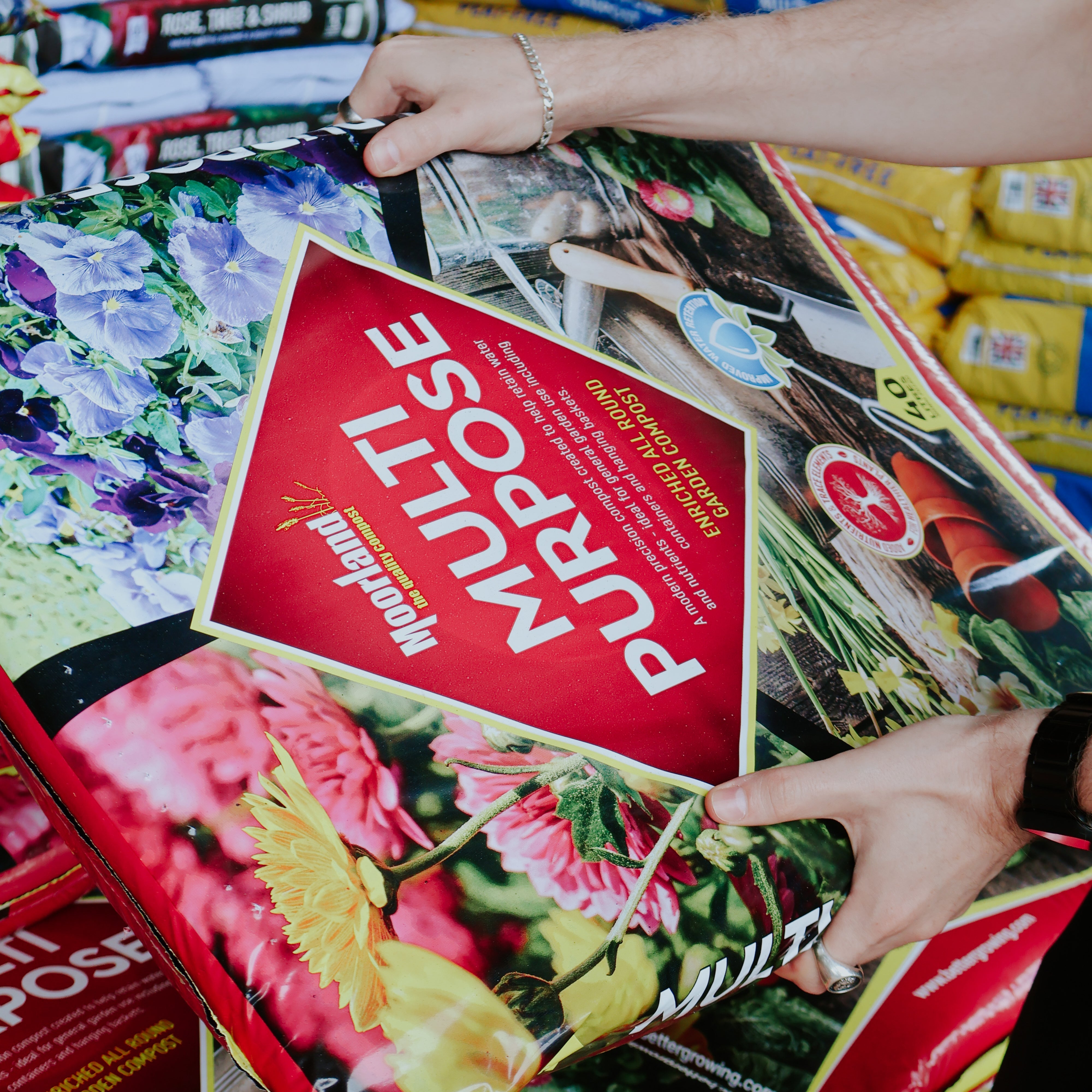
✔ Use: Multi-Purpose Compost (peat-free if possible)
Why it works:
• Balanced nutrients for general planting
• Holds moisture but still drains well
• Suitable for most bedding plants and patio containers
Great for:
-
Hanging baskets
-
Troughs and window boxes
-
Spring and summer bedding displays
Tip: Mix in slow-release fertiliser for longer feeding.

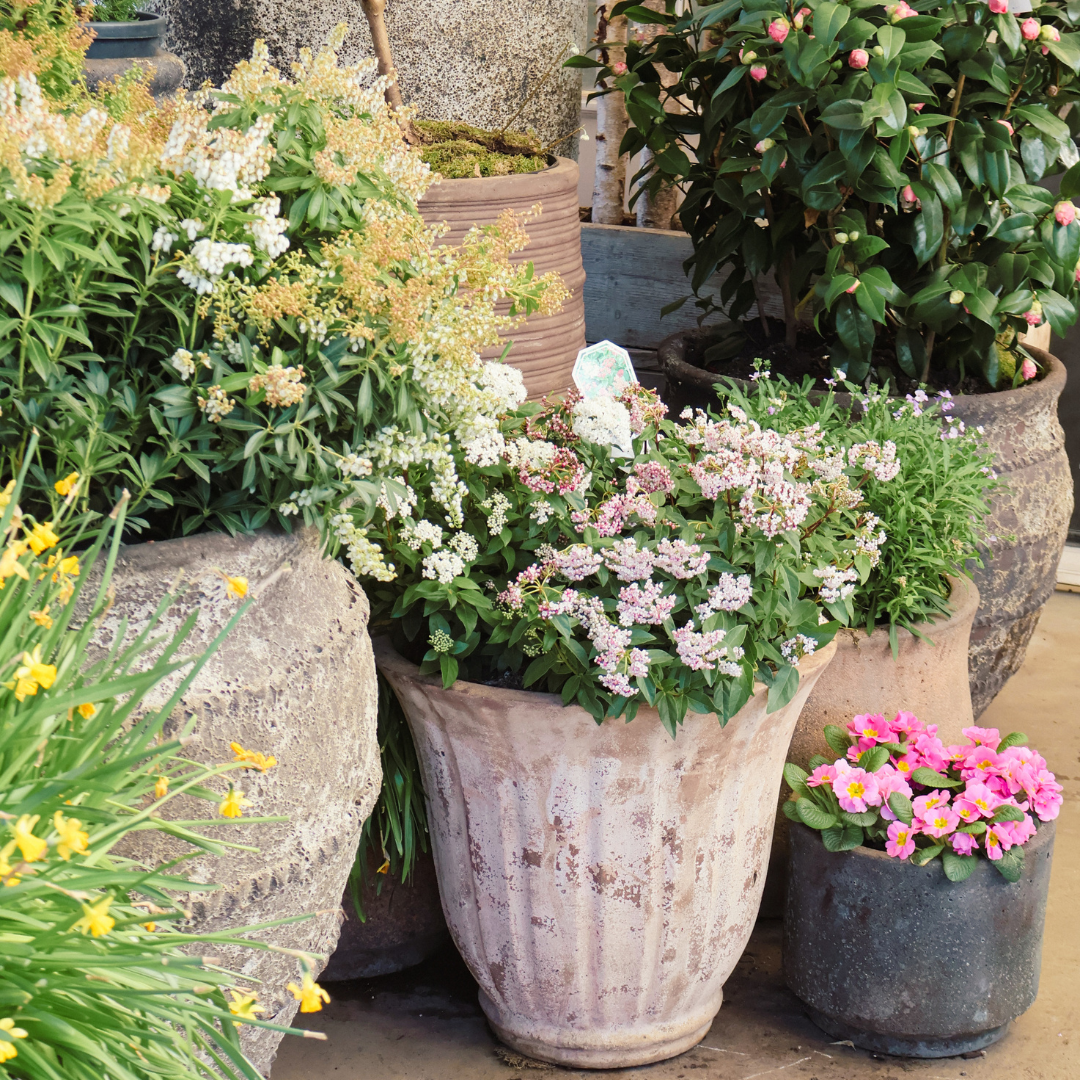
For Long Term Containers
If you’re planting shrubs, perennials, or small trees in pots:
✔ Use: John Innes No. 2 or No. 3
Why it works:
• Soil based, so it’s heavier and more stable
• Holds nutrients longer
• Stops tall plants from toppling over
No.2 for most plants
No.3 for larger, more established plants
Compost for Garden Beds and Borders
Beds don’t need bags and bags of compost dug in every year. What they need is organic matter to improve soil structure.
✔ Use: Soil Improver or Well-Rotted Compost
Why it works:
• Improves drainage in clay soils
• Helps sandy soils hold moisture
• Feeds soil life and boosts plant health
Spread it on top as a mulch rather than digging deeply. The worms will do the work for you.
Quick Compost Cheat Sheet
Seeds → Seed compost
Bedding plants in pots → Multi-purpose compost
Shrubs in containers → John Innes No.2 or No.3
Garden beds → Soil improver or organic compost
Simple and effective.
Peat-Free or Peat-Based?
Peat-free composts have improved massively and are now suitable for most uses. They’re better for the environment and work brilliantly when kept evenly moist.
Top tip: peat-free compost should never be allowed to dry out completely.
The right compost makes everything easier. Better germination, stronger roots, healthier plants, and less feeding later on.
Think of compost as the foundation of your garden. Get that right and everything above it thrives.