
Bare-Root Plants Explained: Are They Better Than Potted Plants?
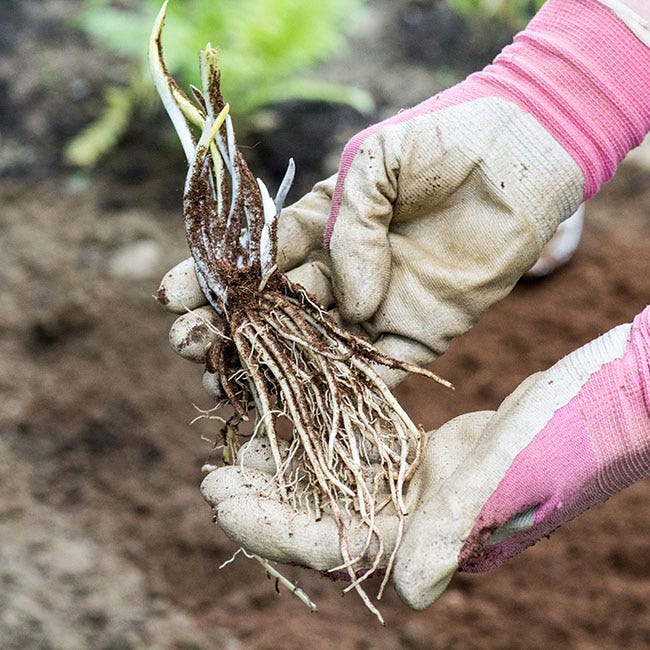
If you’re planning to add some new plants to your garden this autumn or winter, you may come across bare-root trees, roses, hedging and fruit bushes. Unlike the potted plants you’ll usually find at the garden centre, bare-root plants are sold without soil or a container around their roots.
They might look a little different at first, but bare-root plants are a popular choice for gardeners, particularly during the colder months. So, what makes them special, are they better than potted plants, and how do you get them growing successfully? Let’s take a closer look.
What exactly are bare-root plants?
Bare-root plants are grown in the ground and lifted during their dormant season, usually between late autumn and early spring. Once lifted, the soil is removed from their roots before they’re sold.
You’ll often find bare-root:
Trees: From ornamental varieties to fruit trees.
Hedging plants: Such as beech, hawthorn and privet.
Roses: A popular choice for creating beautiful summer displays.
Fruit bushes: Including currants and gooseberries.
Because they’re lifted while dormant, these plants are not actively putting energy into producing leaves or flowers. Instead, they can concentrate on establishing their roots once planted, ready for the growing season ahead.
Bare-root plants are generally available during the cooler months, when the ground is workable and not frozen or waterlogged.
Are bare-root plants better than potted plants?
The answer depends on what you’re planting, your budget and the time of year. Both bare-root and potted plants have their advantages, so it’s worth considering what works best for your garden.
The benefits of bare-root plants
1. They can be more affordable
Bare-root plants are often cheaper than comparable potted plants because they don’t need pots, compost or as much space for storage and transport. This can make a real difference if you’re planting a long hedge or adding several trees to your garden.
2. They’re easier to transport
Without heavy pots and compost, bare-root plants are generally lighter and easier to handle. This can be particularly helpful when buying plants in larger quantities.
3. They’re ideal for winter planting
The dormant season is a great time to plant many bare-root trees, hedging plants and roses. Planting during this period gives the roots time to begin settling into the soil before spring growth starts, provided conditions are suitable.
4. They can establish really well
Bare-root plants can develop strong root systems when planted correctly and given the right conditions. As with any plant, good soil preparation, suitable watering and choosing the right spot are key to helping them thrive.
What about potted plants?
Potted plants offer plenty of benefits, too.
They can usually be planted at more times of the year, as long as conditions are suitable and you provide enough water. They’re also convenient if you want to see the plant’s foliage, flowers or overall shape before buying it.
Because their roots are already growing in compost, potted plants can be a good option for gardeners who want more flexibility with planting times. They’re also useful when the ground is frozen or waterlogged and planting needs to wait.
The main thing to remember is that potted plants can dry out quickly after planting, particularly during warm or windy weather, so they still need a little extra attention while settling in.
When is the best time to plant bare-root plants?
For most bare-root plants, the best time to plant is during the dormant season, typically from November to March in the UK. The exact timing depends on the type of plant and the weather.
Aim to plant on a mild day when the ground is workable. Avoid planting when the soil is frozen, very wet or waterlogged, as these conditions can make it difficult for roots to establish properly.
Bare-root plants should be planted soon after purchase. If you can’t plant them straight away, keep their roots covered and protected from drying winds and frost. Follow the supplier’s advice for temporary storage, as bare roots should never be left exposed for long periods.
How to plant bare-root plants successfully
Planting bare-root plants is straightforward, but a little preparation goes a long way.
1. Prepare the roots
Check the roots before planting and remove any damaged or broken sections with clean, sharp secateurs. If the roots appear dry, follow the supplier’s instructions on soaking them before planting.
Keep the roots protected while you work, as they can dry out quickly when exposed to the air.
2. Choose the right spot
Check the plant’s preferred growing conditions before deciding where it will go. Consider sunlight, soil type, available space and how large it will eventually grow.
It’s also worth checking whether your soil drains well. Most plants won’t appreciate sitting in waterlogged ground, particularly during winter.
3. Dig a suitable hole
Dig a hole wide enough to accommodate the roots comfortably, allowing them to spread naturally rather than bend or bunch together.
Break up compacted soil around the edges and loosen the soil at the base if needed. There’s no need to dig excessively deep; the roots should sit comfortably in the hole.
4. Position the plant carefully
Place the plant in the hole and spread the roots out. For trees and roses, pay attention to the original planting depth and any guidance supplied with the plant.
For grafted roses, the graft union is generally positioned at or just below soil level in the UK, depending on the variety and growing conditions. For trees, the root flare should remain at soil level rather than being buried.
If you’re planting a hedge, check the recommended spacing so each plant has enough room to grow.
5. Backfill and water
Fill the hole with the excavated soil, gently firming it around the roots to remove large air pockets. Avoid compacting the soil too firmly.
Water thoroughly after planting to help settle the soil around the roots, even if the weather is cool. Keep an eye on moisture levels afterwards, watering during dry spells when necessary without leaving the roots sitting in saturated soil.
6. Add mulch where appropriate
A layer of organic mulch, such as garden compost or well-rotted organic matter, can help retain moisture, suppress weeds and protect the soil.
Keep mulch away from the stems and trunks to reduce the risk of rot, and avoid covering the base of the plant too deeply.
Common mistakes to avoid
Bare-root plants are generally easy to grow, but there are a few things to watch out for.
Leaving roots exposed: Bare roots can dry out quickly, so keep them covered until you’re ready to plant.
Planting in frozen or waterlogged soil: Wait for conditions to improve rather than forcing the plant into unsuitable ground.
Planting too deeply: Follow the recommended planting depth for the particular plant.
Bending or bunching roots: Give roots enough room to spread naturally in the planting hole.
Forgetting to water: Newly planted bare-root plants still need moisture, even during winter.
Choosing the wrong location: Check the plant’s eventual size and growing requirements before planting.
Which should you choose for your garden?
If you’re planting a new hedge, adding several fruit trees or creating a rose garden, bare-root plants can be a cost-effective option during the dormant season.
If you’d prefer to buy a plant in leaf or flower, need more flexibility with planting dates, or want to fill a gap in your garden outside the bare-root season, a potted plant may be the better choice.
Neither option is automatically better. The best choice depends on the plant itself, the conditions in your garden and how much time you have to get it established.
Get your garden ready for the growing season
Autumn and winter can be a great time to plan ahead and make changes to your garden. Whether you’re planting a new hedge, adding fruit trees or choosing roses for next summer, bare-root plants offer a useful option for many gardens.
If you’re unsure which plants would suit your space, or when to plant them, pop into Flowerland Bourne End or Iver. Our team will be happy to help you choose the right plants and get your garden ready for the seasons ahead.