
How to Make Your Garden More Wildlife-Friendly This Autumn
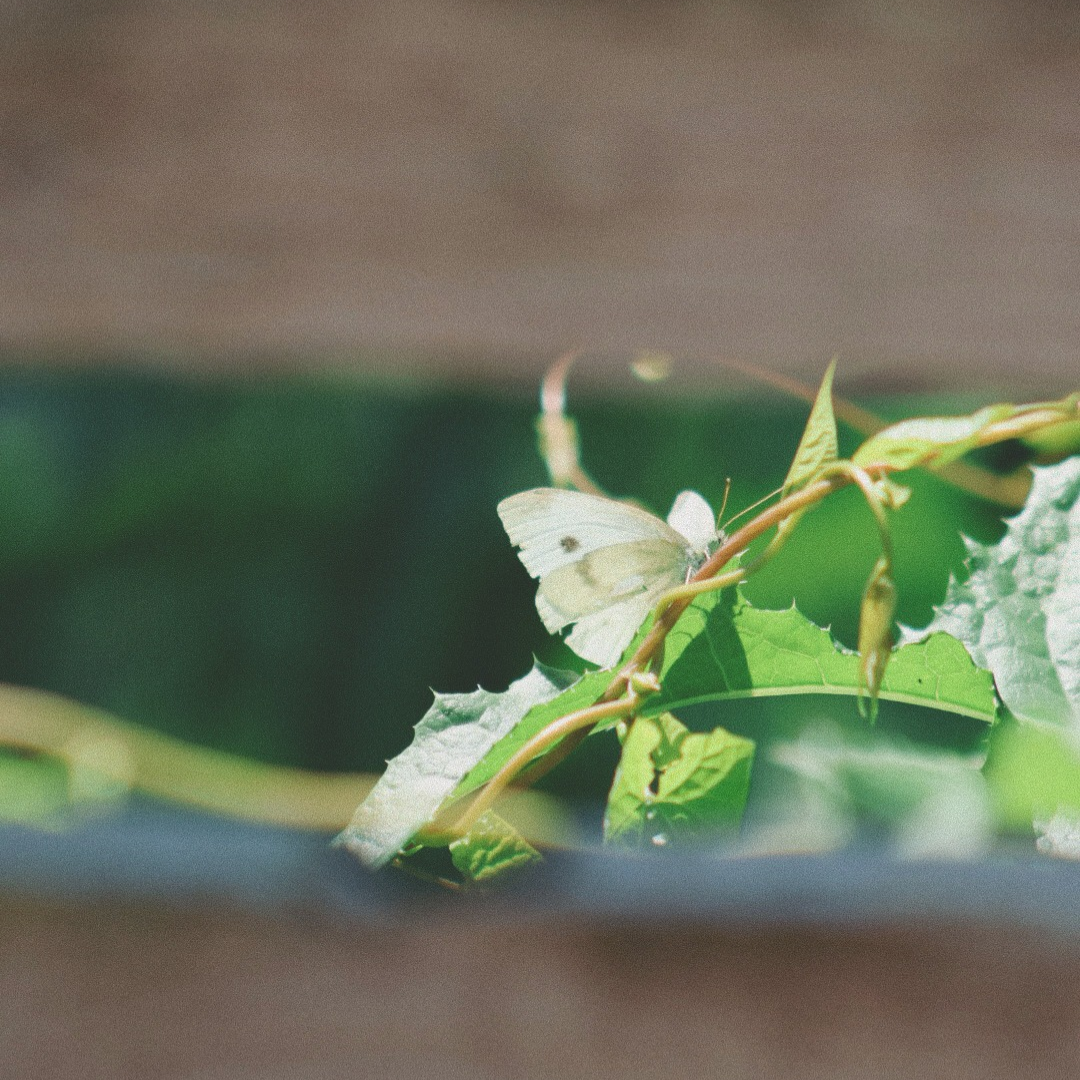
As autumn arrives, our gardens begin to change, but there’s still plenty we can do to support the wildlife around us. From birds and hedgehogs to bees and butterflies, many garden visitors rely on our outdoor spaces for food, water and shelter as the weather gets colder.
The good news is that creating a wildlife-friendly garden doesn’t have to mean a complete garden makeover. A few simple changes can make a real difference, whether you have a large garden, a small patio or just a few pots on a balcony.
Why make your garden wildlife-friendly?
Autumn is an important time for wildlife. Some animals are preparing for winter, while others are searching for food and somewhere safe to shelter. By providing natural food sources, leaving suitable hiding places and making small changes to how we maintain our gardens, we can help support local wildlife throughout the colder months.

Our top tips for supporting wildlife this autumn
Leave some fallen leaves
Rather than clearing every fallen leaf, consider leaving a small pile in a quiet corner of your garden. Leaves provide shelter for insects and other small creatures, and they can also be added to a leaf mould pile to create a valuable soil improver for future gardening projects.
Plant for pollinators
Although many flowers begin to fade in autumn, there are still plants that can provide valuable nectar and pollen for late-season pollinators. Ivy flowers, autumn asters and some varieties of sedum can offer an important food source when other flowers are becoming scarce.
[Image suggestion: Autumn asters or sedum flowers attracting bees]
Provide food and water for birds
As natural food sources become harder to find, garden birds can benefit from a little extra help. Consider putting out suitable bird food, such as sunflower hearts or seed mixes, and keep bird feeders clean. A shallow dish of fresh water can also provide a valuable drinking and bathing spot. Remember to clean it regularly and check that the water hasn't frozen during colder weather.
[Image suggestion: Garden birds feeding from a bird feeder]
Create a cosy shelter for hedgehogs
Hedgehogs need safe places to rest and hibernate, and a quiet corner of the garden can provide just that. A pile of logs, dry leaves and natural garden materials can create useful shelter. If you're tidying up, check piles carefully before moving them, and always check bonfires thoroughly before lighting them.
You can also help hedgehogs move between gardens by leaving small gaps in fences where possible, allowing them to travel in search of food and shelter.
[Image suggestion: A natural log pile surrounded by fallen autumn leaves]
Avoid being too tidy
It's tempting to cut everything back and clear away every last stem as autumn progresses, but a little mess can be beneficial. Hollow stems, seed heads and undisturbed corners provide food and shelter for insects over winter. Where possible, leave some perennial stems standing until spring and avoid disturbing areas where wildlife may be sheltering.
Choose plants that provide winter interest
A wildlife-friendly garden can still look beautiful throughout the colder months. Consider plants that produce berries, seeds or flowers later in the year, such as holly, ivy and winter-flowering heather. These can add structure and seasonal interest while providing useful resources for birds and pollinators.
Small changes, a big difference
You don't need to do everything at once. Leaving a patch of leaves, adding a bird feeder or choosing a few wildlife-friendly plants are all simple ways to make your garden more welcoming. Over time, these small changes can help create a healthier outdoor space where nature has room to thrive.
At Flowerland, we believe a garden is about more than just how it looks. By making space for wildlife this autumn, you can enjoy a garden that feels alive throughout the changing seasons and help support the nature right on your doorstep.