
February Bulb Care: What to do and what to avoid
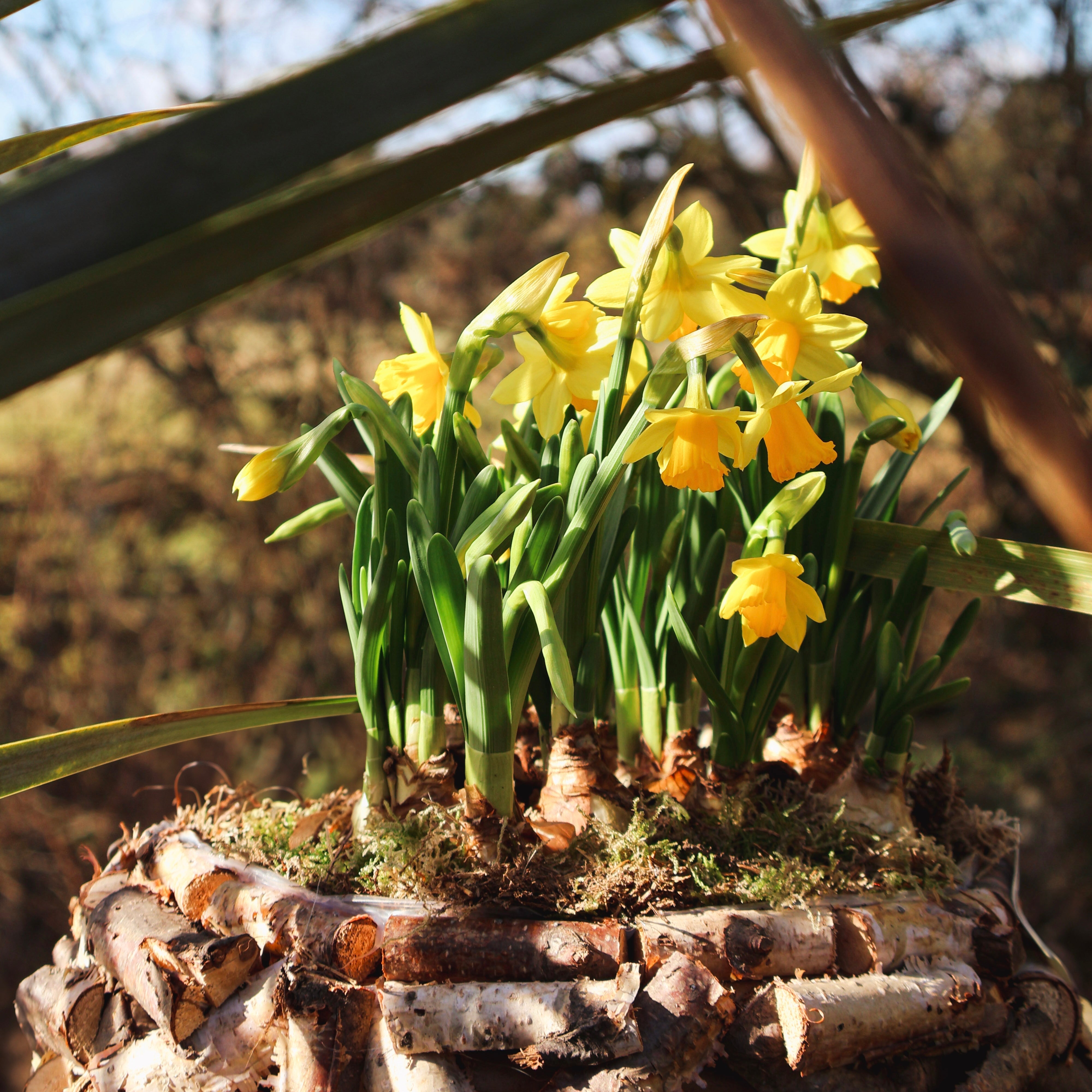
February sits in that uneasy gap between winter and spring. Bulbs are awake underground, weather is unpredictable, and gardeners are left wondering whether to step in or stay hands‑off.
The good news is this: most bulbs don’t need much from you in February, but the few things you do (or don’t do) now can make a real difference to how they flower.
Here’s how to care for spring‑flowering bulbs in February, without fussing or accidentally doing harm.
What’s Happening to Bulbs in February?
Below the soil, bulbs are active. Roots are growing, shoots are forming, and energy stored last year is being pushed upward.
Above ground, you may see:
-
Green shoots poking through
-
Tight buds close to the soil
-
Leaves but no flowers yet
This is all normal. February growth doesn’t mean spring has arrived. It just means the bulbs are keeping their own calendar.

Tulips in February: What to Do (and Not Do)
Tulips are often the most tempting to interfere with because they show strong early growth.
Do:
-
Leave them alone as much as possible
-
Check that soil isn’t waterlogged
-
Remove debris gently if it’s smothering shoots
Don’t:
-
Cut back leaves
-
Feed heavily
-
Dig or move bulbs
Tulips are sensitive to disturbance once growth starts. Any stress now can reduce flowering later.
Daffodils and Narcissus: February Care
Daffodils are tougher and more forgiving than tulips.
In February:
-
Let foliage grow freely
-
Gently remove heavy mulch if shoots are trapped
-
Protect emerging buds from trampling
Avoid tying or bending leaves. They need full exposure to light as they grow.

Other Spring Bulbs to Watch
Crocus, Snowdrops, and Iris
These early bulbs often flower in February.
What they need:
-
Clear access to light
-
Free‑draining soil
-
Minimal disturbance
Enjoy them, but resist the urge to tidy too aggressively around them.
Hyacinths
Hyacinths may be showing buds or flower spikes.
Care tips:
-
Support heavy blooms if they flop
-
Avoid overwatering
-
Keep soil just moist, not wet
Strong fragrance now doesn’t mean they need feeding yet.

Should You Feed Bulbs in February?
Generally, no.
Most bulbs rely on stored energy to flower. Feeding too early can encourage soft growth rather than strong flowers.
If you do feed:
-
Wait until flowering begins
-
Use a balanced, gentle fertiliser
Feeding is most effective after flowering, when bulbs are rebuilding energy for next year.
Frost, Snow, and Late Cold Snaps
Cold weather after growth starts is normal.
Bulbs are adapted to this and usually cope well.
Only step in if:
-
Severe frost is forecast
-
Shoots are very exposed
In those cases, a light covering of fleece or mulch overnight is enough. Remove it during the day.
Containers vs Ground‑Planted Bulbs
Bulbs in containers need a little more attention.
In February:
-
Check pots for waterlogging
-
Raise containers slightly so excess water drains
-
Move pots to shelter during extreme cold
Containers freeze faster than soil in the ground, so small adjustments help protect roots.
What Not to Do With Bulbs in February
Common mistakes this month:
-
Cutting back green leaves
-
Overwatering
-
Feeding too early
-
Moving bulbs once growth has started
February is about patience, not intervention.
Spring bulbs are remarkably self‑sufficient.
In February, your role is simple: protect them from extremes, give them light, and then step back.
The less you interfere now, the better the display will be when spring fully arrives.