
What Seeds You Should Start Indoors in February
February is a strange month for gardeners. The seed packets are calling, the days are slowly getting longer, but the garden outside is still cold, wet, and nowhere near ready.
This is exactly why February matters.
Seed starting this month isn’t about getting everything going early. It’s about choosing the few crops that genuinely benefit from a long indoor start while we wait out late frosts, cold soil, and unpredictable spring weather.
This guide focuses on realistic February seed starting for a cool, damp climate with short winter days and a late planting windows.

The Golden Rule for February Sowing
February is for slow growers only.
In many gardens, tender crops won’t be planted outside until late April or May. Anything started now must be happy growing indoors for several weeks.
If it grows fast or hates being transplanted, February is too early.
Vegetables to Start Indoors in February
These crops are well suited to an early indoor start because they take a long time to mature and cope well with staying inside.
Best February Choices
-
Onions (from seed)
-
Leeks
-
Celery and celeriac
-
Peppers (sweet and chilli)
-
Aubergines
-
Tomatoes (best with grow lights rather than a windowsill)
These plants grow slowly at first and benefit from being well established before going outside later in spring.

Flowers to Start Indoors in February
February sowing is ideal for flowers that take their time.
Good options include:
-
Snapdragons (antirrhinums)
-
Sweet peas (often started in a cold frame or unheated greenhouse)
-
Verbena bonariensis
-
Petunias
-
Perennial flowers such as lavender and echinacea
Starting these now leads to sturdier plants and earlier summer flowers.
Herbs You Can Start Indoors Now
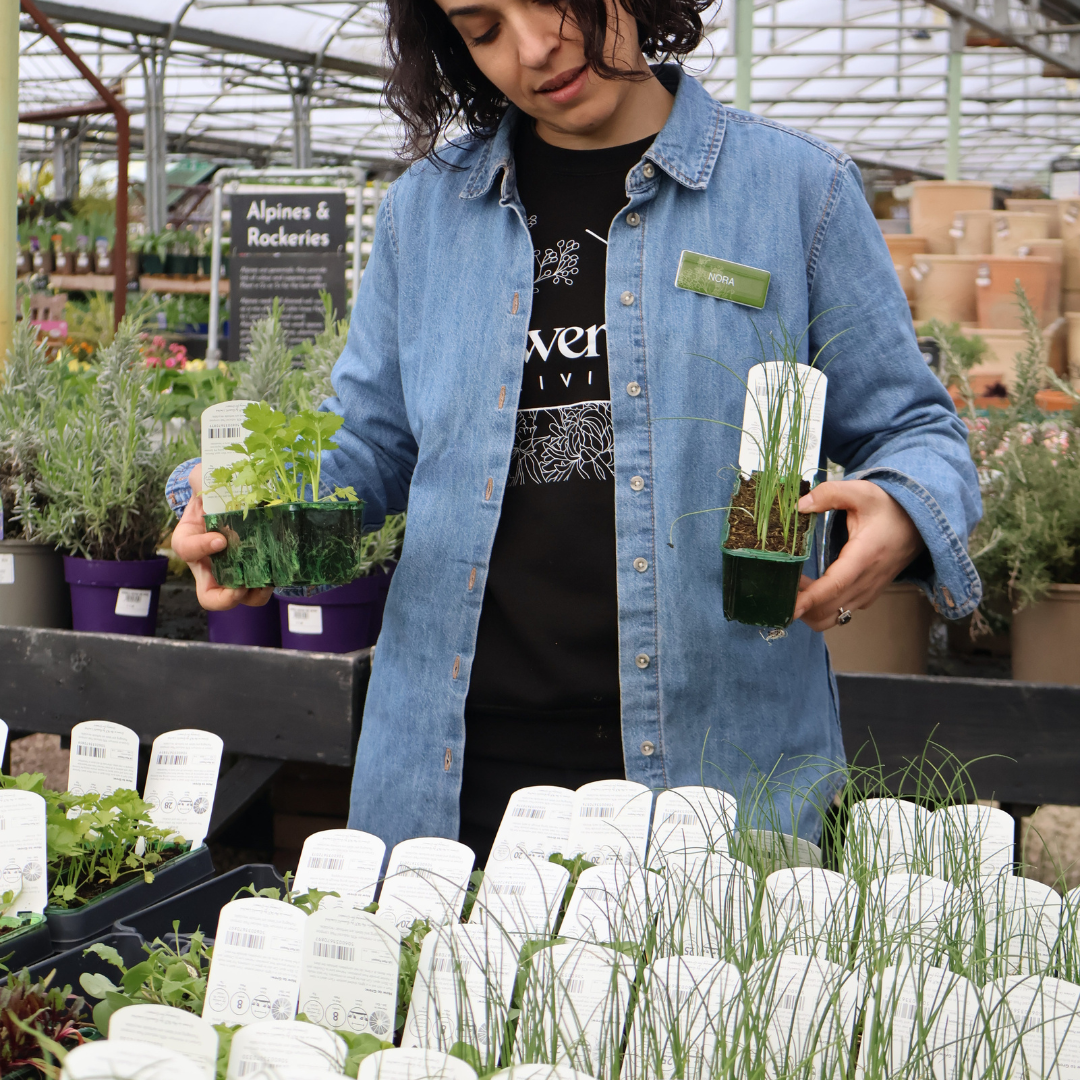
Some herbs are slow to germinate and benefit from early sowing.
Start indoors in February:
-
Parsley
-
Chives
-
Basil (with warmth and good light)
Hardier Mediterranean herbs like thyme and rosemary are usually better started later or bought as young plants.

What You Should NOT Start Indoors in February
These crops are better left until March or April, even if the seed packets tempt you:
-
Courgettes
-
Squash
-
Pumpkins
-
Cucumbers
-
Beans
They grow quickly, dislike being confined, and often struggle if started too early in cool spring conditions.
Can You Sow Anything Outside in February?
Outdoor sowing is still limited in February.
However, in milder spots or under protection, you may be able to sow:
-
Broad beans
-
Peas
-
Spinach
-
Lettuce
Use fleece, cloches, or an unheated greenhouse to protect young seedlings from cold snaps.
Light Is the Biggest Challenge in February
February light levels are low, even on bright days.
If you’re starting seeds indoors now, you’ll need:
-
Grow lights rather than relying on a windowsill
-
Lights kept close to seedlings
-
Around 12–16 hours of light per day
Without enough light, seedlings quickly become leggy and weak.
When Will These Plants Go Outside?
For many gardens:
-
Tender crops are planted out from late April through May
-
Frost protection may still be needed, especially overnight
This long wait indoors is why February seed starting must be selective.
February gardening is about patience and restraint.
Choose slow-growing crops, give them proper light, and resist the urge to sow everything at once.
A carefully planned February sets you up for a calmer, more productive spring.