
How to Care for Houseplants in Winter
Winter can be a tricky time for houseplants. Shorter days, colder temperatures, and central heating can turn even the healthiest plant into a struggling one. The good news? Most winter plant problems come down to a few simple adjustments. With the right care, your houseplants can stay healthy and even thrive until spring.
Here’s how to keep your indoor plants happy through the colder months.

1. Water Less, But Water Better
One of the biggest mistakes people make in winter is overwatering. Plants grow more slowly during colder months and need less moisture.
What to do:
-
Always check the compost before watering. If the top few centimetres are dry, it’s usually safe to water.
-
Empty saucers after watering to prevent roots sitting in cold, soggy soil.
-
Use room-temperature water to avoid shocking roots.
Top tip: Most houseplants would rather be slightly dry than constantly wet in winter.
2. Light Is Everything
With fewer daylight hours, light becomes precious. Plants that were happy in summer may struggle once winter sets in.
What to do:
-
Move plants closer to windows where possible.
-
Clean dusty leaves so plants can absorb more light.
-
Rotate pots every few weeks to encourage even growth.
Watch out: Avoid placing plants directly against cold window glass, especially overnight.
3. Watch the Temperature
Houseplants don’t enjoy sudden temperature changes. Cold draughts and hot radiators can cause stress, leaf drop, or brown edges.
What to do:
-
Keep plants away from doors, fireplaces, and radiators.
-
Aim for a steady temperature between 15–21°C.
-
Group plants together to create a more stable microclimate.

4. Increase Humidity
Indoor heating dries the air, and many popular houseplants come from humid environments.
Simple ways to boost humidity:
-
Place plants on trays filled with pebbles and water.
-
Group plants together so they share moisture.
-
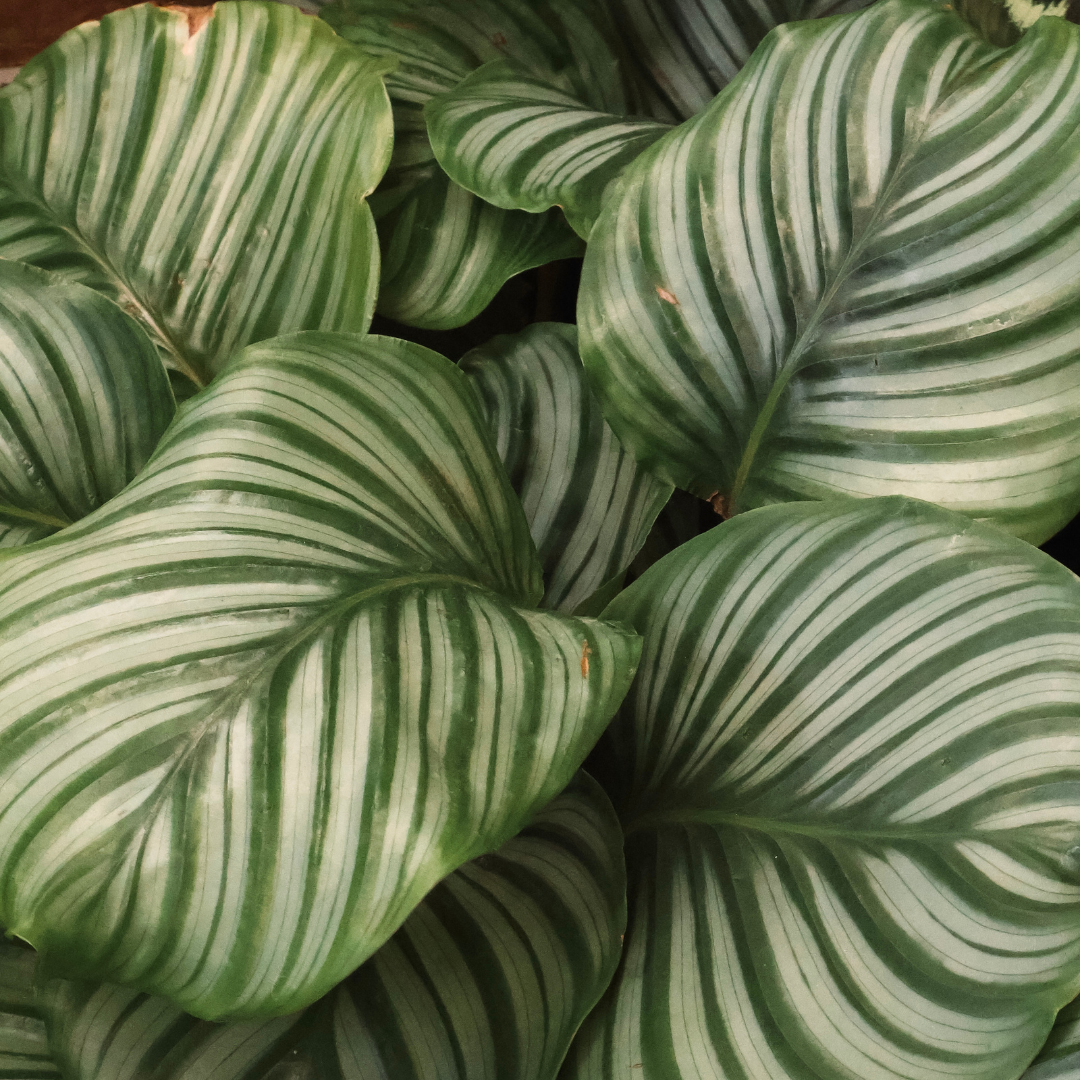
Lightly mist plants that enjoy humidity, such as ferns and calatheas.
Avoid misting: Succulents and cacti prefer dry air.
5. Pause Feeding
Most houseplants don’t need feeding during winter.
What to do:
-
Stop feeding until spring unless a plant is actively growing.
-
Resume regular feeding from March onwards.
Feeding dormant plants can do more harm than good.
6. Don’t Rush to Repot
Winter is not the ideal time to repot unless absolutely necessary.
Repot only if:
-
Roots are growing out of the drainage holes
-
Water runs straight through without soaking in
-
The plant is clearly struggling due to root restriction
Otherwise, wait until spring when plants are ready for new growth.

7. Keep an Eye Out for Pests
Warm, dry indoor conditions can encourage pests such as spider mites and aphids.
What to do:
-
Check leaf undersides regularly
-
Remove pests early with a damp cloth
-
Treat infestations promptly with appropriate plant care products
8. Accept a Slower Pace
Some leaf drop or slower growth is normal in winter. This doesn’t mean your plant is dying.
Remember: Winter is a resting period. Healthy plants will bounce back once light and warmth return.
Need Advice? We’re Here to Help
If you’re unsure how to care for a specific plant, pop into Flowerland and speak to one of our knowledgeable team. We can help you choose the right position, watering routine, and care products to keep your houseplants healthy all winter long.