
Local Wildlife in Winter: How to Support Birds and Bees
Winter can be a tough season for our local wildlife. Birds, bees, and beneficial insects often struggle to find food, shelter, and warmth. The good news is that even small actions in your garden can make a huge difference—and help bring life and colour to your outdoor space during the colder months.
At Flowerland, we’re passionate about helping both gardeners and wildlife thrive. Here’s how you can support your feathered and buzzing friends this winter.
1. Feed the Birds
Birds expend a lot of energy staying warm during winter, so high-calorie foods are essential.
Tips:
-
Provide a mix of seeds: sunflower seeds, nyjer seeds, and mixed seed blends
-
Offer fat balls or suet blocks to boost energy
-
Keep feeding stations clean and dry to prevent disease
-
Rotate feeders to keep the birds safe and happy
Flowerland Favourites:
-
Seed mixes for all garden birds
-
Stylish feeders that double as garden décor
-
Fat balls and suet blocks ready for local birds

2. Provide Fresh Water
Even in winter, birds need fresh water for drinking and bathing. Frozen ponds or bird baths can make life harder.
Tips:
-
Use a heated bird bath or change the water several times a day
-
Place it near shrubs or bushes so birds have shelter nearby
-
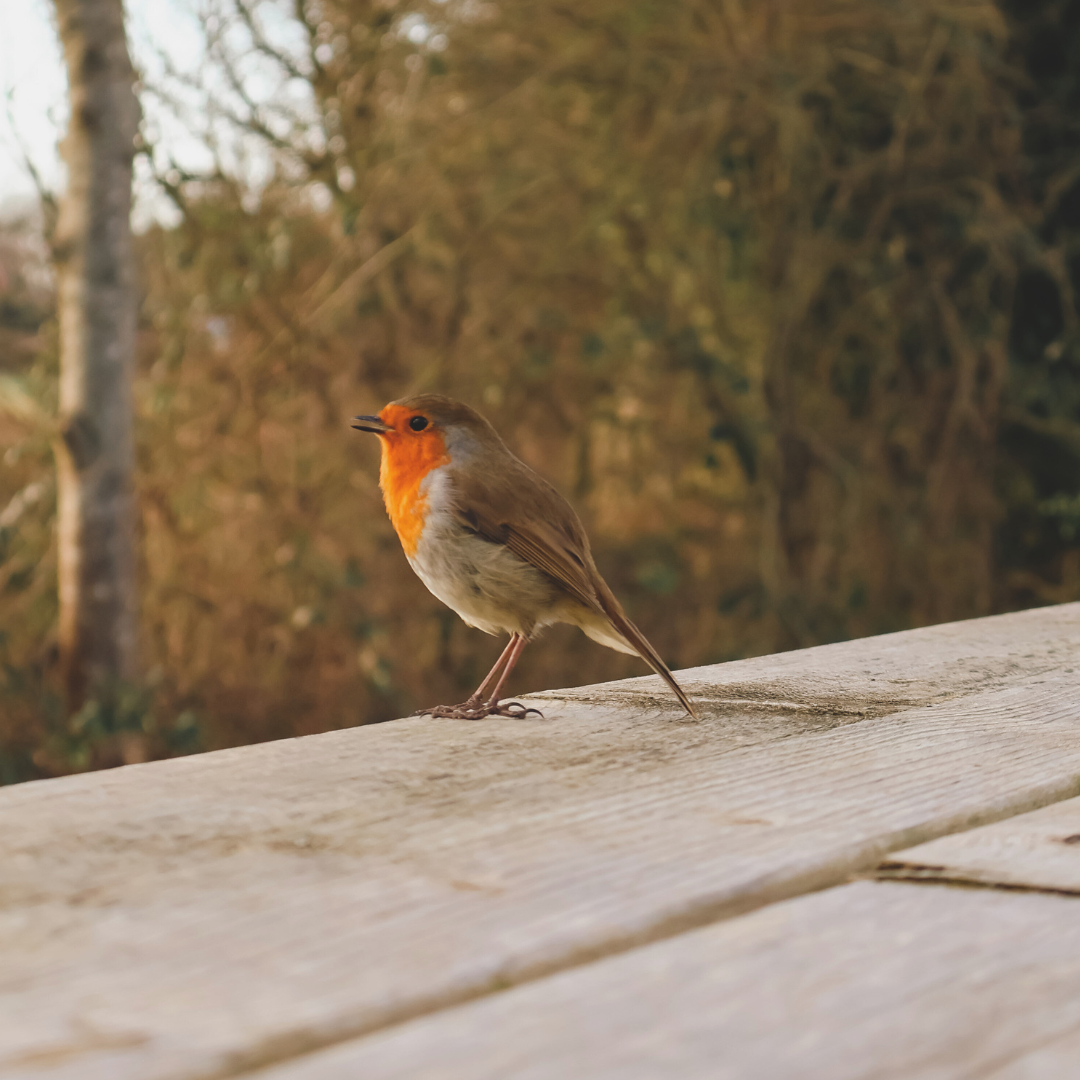
Small bowls of water are perfect for smaller birds like robins and finches
3. Create Safe Shelter
Birds and insects need safe, warm places to hide from predators and harsh weather.
Ideas:
-
Install birdhouses or nest boxes in quiet corners
-
Leave parts of your garden wild and undisturbed with leaf litter, logs, and shrubs
-
Consider bee hotels or insect-friendly shelters for overwintering bees and pollinators
Flowerland Stock:
-
Handcrafted birdhouses, bug hotels, and insect shelters
-
Winter-friendly garden shrubs and hedges
4. Plant Winter-Friendly Flowers & Shrubs
Even in winter, some plants provide nectar and berries for wildlife.
Examples:
-
Winter-flowering heathers
-
Mahonia, Skimmia, and Viburnum (for berries)
-
Winter pansies and cyclamen for small pollinators
These plants not only support wildlife but also brighten up your garden during the dull months.
5. Avoid Chemicals and Pesticides
During winter, wildlife is particularly vulnerable. Avoid using chemical pesticides, herbicides, or fertilizers that may harm birds, bees, or beneficial insects.
Tip:
-
Choose natural alternatives or organic-friendly gardening methods
-
Encourage beneficial insects to naturally control pests
6. Get the Whole Family Involved
Winter wildlife care is perfect for teaching children about nature, sustainability, and responsibility.
-
Build DIY bird feeders
-
Monitor who visits your garden
-
Take photos and share on Instagram using #FlowerlandLiving

Why Supporting Wildlife Matters
Helping birds and bees in winter isn’t just good for nature—it makes your garden more vibrant, lively, and beautiful. It also encourages biodiversity, which benefits plants, flowers, and the overall ecosystem.
At Flowerland, we make it easy to create a winter wildlife-friendly garden, whether you’re shopping in-store or online.
Shop & Visit Flowerland
We have everything you need to support your local wildlife this winter:
-
Bird feeders, fat balls, and seed mixes
-
Insect hotels and bee shelters
-
Winter-flowering plants and shrubs
Visit Flowerland in Iver or Bourne End, or browse our webshop for winter garden essentials.
Bring your garden to life this winter—your birds, bees, and other wildlife will thank you!