
January Pruning: What to Cut Back & What to Leave Alone
January is the perfect month to get ahead in the garden — and pruning is one of the most important winter jobs. With plants dormant and garden growth slowed, careful pruning now can encourage healthier plants, better shape, and stronger blooms later in the year.
However, pruning at the wrong time can do more harm than good. Here’s our simple January pruning guide to help you know what to cut back — and what to leave alone.

Why Prune in January?
-
Plants are dormant, reducing stress
-
Easier to see plant structure
-
Encourages strong spring growth
-
Removes damaged or diseased wood
-
Helps control size and shape
Always prune on a dry day and avoid pruning when plants are frozen.
What You CAN Prune in January
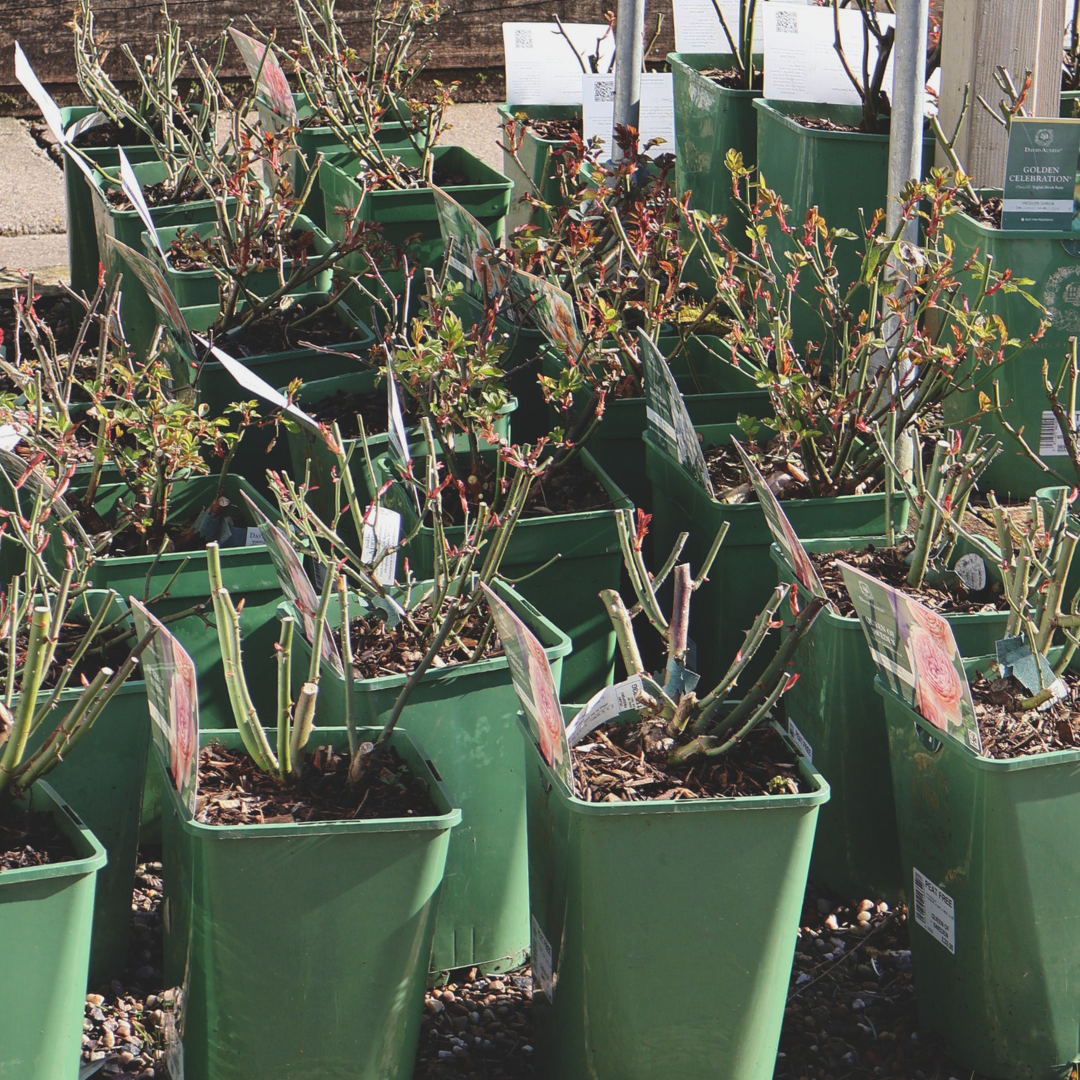
1. Roses (Most Types)
January is ideal for pruning bush roses, floribundas, and hybrid teas.
How:
-
Remove dead, damaged, or crossing stems
-
Cut back to an outward-facing bud
-
Aim for an open, goblet shape
(Climbing roses are best pruned later, after flowering.)
2. Fruit Trees (Apples & Pears)
Winter pruning encourages fruit production and good airflow.
Tips:
-
Remove overcrowded branches
-
Cut out dead or diseased wood
-
Shape the tree while it’s leaf-free
Avoid pruning stone fruits like cherries or plums now.
3. Deciduous Shrubs
Shrubs that lose their leaves in winter can often be pruned now.
Examples:
-
Dogwood
-
Willow
-
Cornus
These benefit from hard pruning to encourage colourful new stems.
4. Wisteria
January is one of the key times to prune wisteria.
How:
- Cut back side shoots to 2–3 buds
- Helps direct energy into flowers rather than foliage
5. Damaged or Diseased Growth
Any plant showing signs of damage, disease, or broken branches should be tidied up.
Always:
-
Clean tools between cuts
-
Dispose of diseased material (don’t compost)

What You Should NOT Prune in January
1. Spring-Flowering Shrubs
Pruning now can remove this year’s flowers.
Avoid pruning:
-
Forsythia
-
Lilac
-
Camellia
-
Rhododendron
-
Magnolia
Wait until after they’ve finished flowering.
2. Stone Fruit Trees
Trees like plums, cherries, and apricots are prone to disease if pruned in winter.
Best time:
Late spring or summer.
3. Tender Plants
Frost-sensitive plants should be left alone for now.
Examples:
-
Lavender
-
Fuchsias
-
Salvias
Wait until spring when frost risk has passed.
Tips for Success
-
Use sharp, clean secateurs
-
Make clean cuts just above a bud
-
Don’t rush — step back and assess before cutting
-
Wear gloves and protective clothing
-
If unsure, it’s better to prune lightly than too hard
Pruning in January sets the stage for a healthier, more productive garden in the months ahead. Knowing what to prune — and what to leave — makes all the difference.
If you’re unsure, our team at Flowerland is always happy to help you choose the right tools and offer advice for your specific plants.
Here’s to a tidy winter garden and a beautiful spring ahead!