

Frost, Rain and Wind: How to Protect Your Garden Through Winter
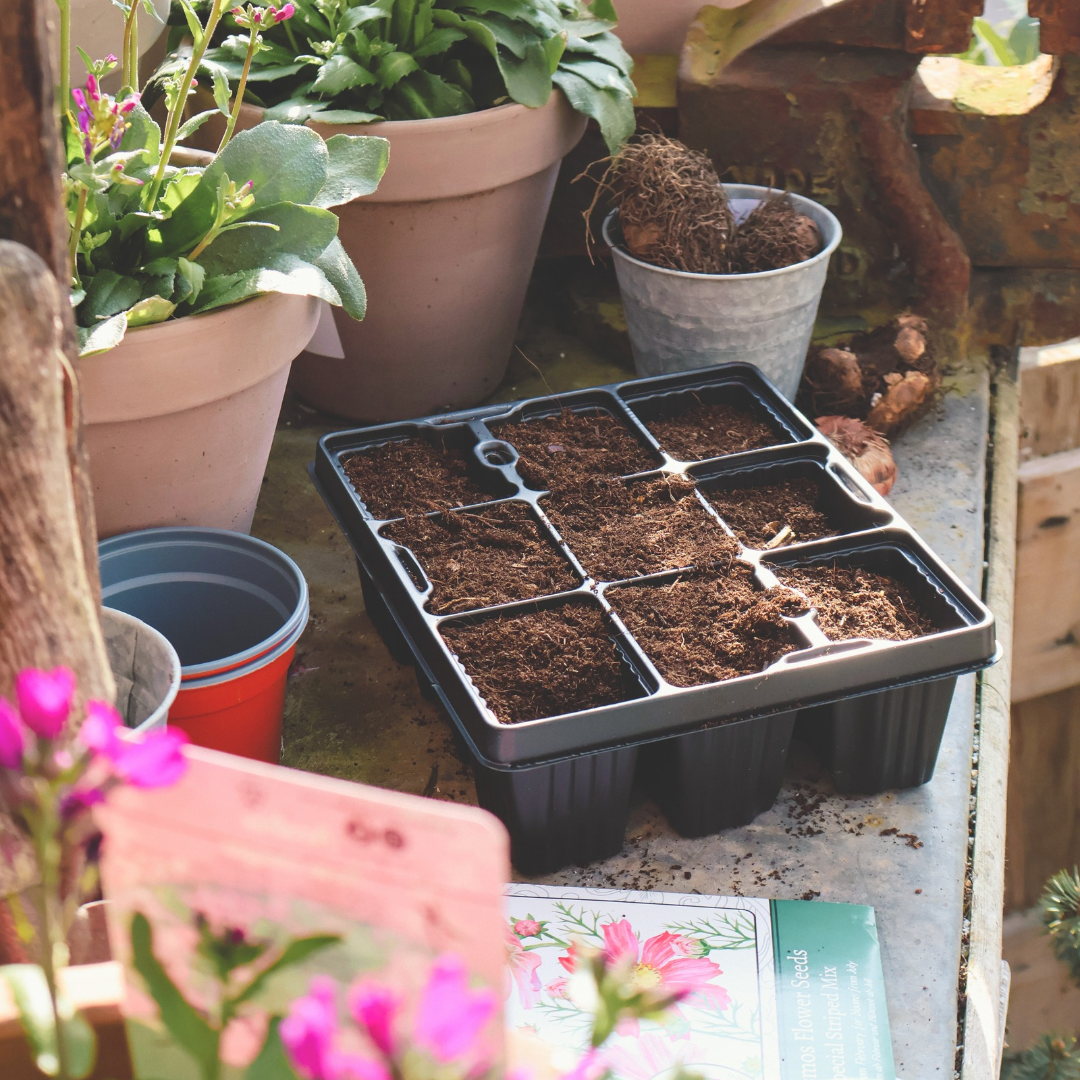
As the days get shorter and the temperatures begin to drop, our gardens need a little extra care to get them through the winter months. Frosty mornings, heavy rain and strong winds can all take their toll, but a few simple steps now can help protect your plants and keep your garden in good shape for spring.
The good news is that preparing your garden for winter doesn't have to be complicated! Whether you're looking after colourful pots on your patio, established garden borders or a collection of favourite plants, here's how to give them a helping hand through the colder months.
Why is winter protection important?
Winter weather can affect our gardens in different ways. Frost can damage tender leaves and flowers, heavy rain can leave roots sitting in waterlogged soil, and strong winds can break stems or knock over pots.
Understanding what your plants need during this time of year can make all the difference. Some plants are perfectly happy outdoors throughout winter, while others need a little extra protection to help them thrive again when warmer weather returns.
Our top tips for protecting your garden this winter
1. Protect plants from frost
Frost can be particularly damaging to tender plants, young growth and plants growing in containers. Before a cold spell arrives, it's worth checking which plants need a little extra help.
Move vulnerable pots into a sheltered spot, such as against a house wall or into a greenhouse, conservatory or frost-free space where suitable. For plants that need to remain outdoors, horticultural fleece can provide an extra layer of protection during colder nights.
Remember that not every plant needs covering. Many hardy perennials, shrubs and winter-flowering plants are well equipped to cope with colder temperatures, so check the needs of individual varieties before wrapping everything up!
Our tip: Keep some horticultural fleece handy during winter so you're ready when frost is forecast. Remove or open coverings when conditions improve, allowing plants to receive light and ventilation.
2. Keep an eye on waterlogged pots and borders
While it's easy to worry about plants getting too cold, too much water can be just as troublesome during winter. Heavy rain can saturate the soil, leaving roots without enough air and increasing the risk of root rot.
Start by checking that your pots have drainage holes and that water can escape freely. Raising containers slightly using pot feet can help prevent them from sitting in standing water, particularly on patios and other hard surfaces.
In garden borders, avoid digging or walking over soil when it's very wet, as this can compact the ground and damage its structure. If you have heavy clay soil, adding suitable organic matter over time can help improve its condition.
Our tip: If your pots are constantly sitting in puddles after rain, move them to a better-drained position where possible and check that the drainage holes aren't blocked.
3. Give your pots a little extra protection
Plants growing in containers can be more vulnerable to cold weather than those planted directly into the ground, as their roots have less soil around them for insulation.
If you have pots containing plants that are less frost-hardy, consider moving them somewhere sheltered or wrapping the containers with horticultural fleece or suitable insulating material. Grouping pots together can also help protect them from exposed conditions.
Terracotta pots can be particularly vulnerable to cracking in freezing weather, especially if they remain saturated. Where possible, keep them well drained and move valuable or delicate containers into shelter during severe cold spells.
Our tip: Pot feet are useful all year round, but particularly during winter, when they help improve drainage and reduce the chance of pots sitting in water.
4. Prepare your garden for strong winds
Winter winds can cause broken stems, damaged branches and toppled containers, particularly in exposed gardens and on balconies.
Before the weather turns, check that taller plants are securely supported and that climbing plants are properly tied in. Move lightweight pots and containers into sheltered positions, and bring in garden decorations or anything else that could blow over.
If you have larger trees or shrubs with damaged branches, assess them carefully and seek professional advice where necessary rather than carrying out heavy pruning without knowing what's appropriate for the plant.
Our tip: A sheltered position near a wall or hedge can make a big difference for vulnerable plants, but leave enough space for good airflow to help reduce the risk of fungal problems.

5. Add a layer of mulch to suitable garden borders
Mulching is a simple way to help protect the soil and plant roots through winter. A layer of organic material, such as garden compost or well-rotted organic matter, can help insulate the soil, retain moisture and improve soil structure as it breaks down.
Before applying mulch, remove troublesome weeds and make sure the ground isn't waterlogged. Spread the material over the soil around suitable plants, taking care not to pile it directly against stems, trunks or the crowns of plants.
Mulch can also help protect soil from heavy rainfall and reduce the impact of winter weather on exposed beds.
Our tip: Autumn is a great time to make use of homemade compost or suitable soil improver. Just remember that different plants have different requirements, so choose your mulch accordingly.
6. Don't forget your lawn
Lawns can also struggle during winter, particularly when the ground is wet or frosty. Walking repeatedly over saturated grass can compact the soil, while walking on frozen grass can damage the blades.
Try to avoid using the lawn when it's very wet or frozen, and keep fallen leaves cleared away so they don't block light and trap moisture against the grass.
If you haven't already, autumn is also a good time to finish any suitable lawn maintenance before growth slows. Once winter sets in, it's usually best to keep disturbance to a minimum and wait for conditions to improve before tackling further work.
Our tip: Keep a rake handy to remove fallen leaves, especially after windy weather. The leaves can then be added to a leaf mould pile or composted where suitable.
7. Make space for wildlife, too
As well as looking after our plants, winter is a good time to think about the wildlife that shares our gardens. Birds, hedgehogs and insects all benefit from safe places to shelter when temperatures drop.
Consider leaving a quiet corner with some fallen leaves or a small log pile, where appropriate, and avoid clearing every seed head or cutting back every perennial straight away. Some plants provide food for birds, while standing stems and natural materials can offer shelter for insects.
If you have a pond or other water feature, keep an eye on it during freezing weather and avoid breaking ice by striking it, as the shock can harm wildlife.
Our tip: If you're tidying the garden, check piles of leaves, logs and other garden waste carefully before moving them, as wildlife may already be using them for shelter.
Your winter garden checklist
Before the coldest weather arrives, take a quick walk around your garden and check the following:
Move vulnerable plants into a sheltered or frost-free position where needed.
Check that pots and containers drain properly.
Raise pots off the ground where appropriate.
Secure plant supports and climbing plants.
Protect suitable tender plants with horticultural fleece.
Clear fallen leaves from lawns, paths and drains.
Add mulch to suitable borders.
Leave a few undisturbed areas for wildlife.
You don't need to tackle everything in one afternoon. A little attention whenever the weather forecast changes can help keep your garden healthy throughout winter.

Get your garden ready for spring
Winter might seem like a quieter time in the garden, but the care we give our plants now can help set them up for the growing season ahead. By protecting vulnerable plants, improving drainage and preparing for frost, rain and wind, you can help your garden weather the colder months with confidence.
At Flowerland, we're always happy to help you find the right plants, gardening essentials and seasonal advice for your outdoor space. Pop into our Bourne End or Iver centre if you need a hand getting your garden winter-ready.
A little preparation now means you can look forward to welcoming spring with a garden that's ready to grow!